

Atmospheric Particle Dispersion for Early Rainfall arid regions
Spreading Particles in the Atmosphere to Encourage Early Rainfall arid climate, essentially a cloud seeding initiative.
Posted by bikash mohanta
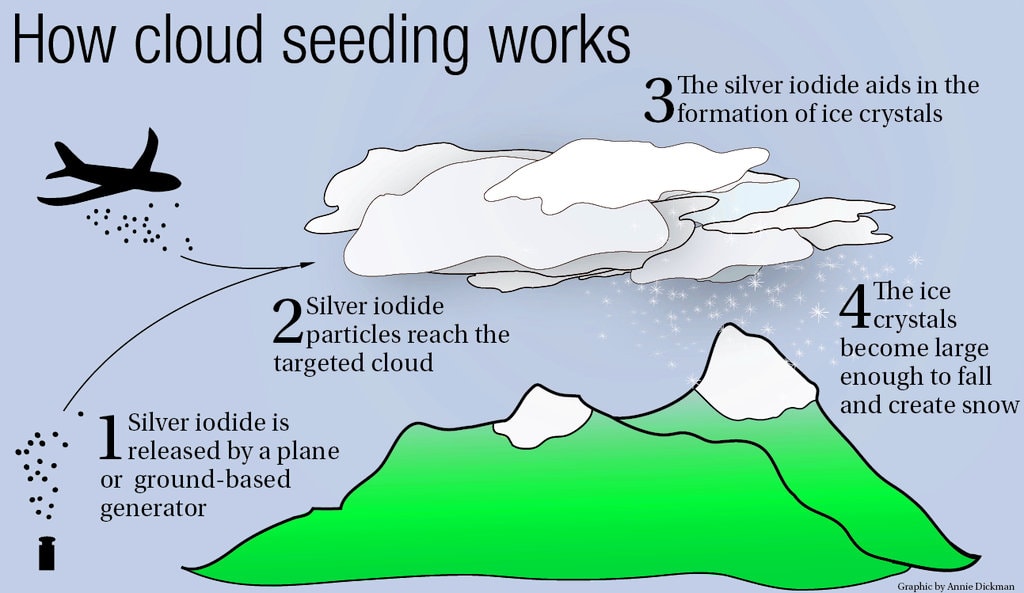
Atmospheric particle dispersion, also known as cloud seeding, involves releasing particles such as dry ice or salt into clouds to accelerate condensation and precipitation. This project aims to explore the feasibility of using particle dispersion to trigger early rainfall in drought-prone regions, supporting agriculture and water security.
Expected Outcomes of the project are Increased rainfall in targeted regions. Improved drought resilience and water availability. Scientific data on effectiveness and risks.
And policy recommendations for responsible deployment.
Real-World Applications
- China: Large-scale programs for drought relief and agriculture.
- UAE: Focused on water resource management.
- US: Used in western states to boost reservoir levels
Meteorological assessment
Build log (0)
No updates yet.

Idea appraisal
An automated appraisal by builtonideas.com — guidance only.
Appraisal for: Atmospheric Particle Dispersion for Early Rainfall arid regions · by bikash mohanta
Appraiser: builtonideas.com · Jun 25, 2026
Appraisal score
This project explores a well-established technology, cloud seeding, for critical applications in drought-prone regions. While not unique, its potential for significant societal benefit and existing real-world applications suggest a strong, albeit complex, development path. The primary challenges lie in cost-efficiency, environmental safety, and the precise scientific validation of its effectiveness.